
The Great Dilution: Why the Humble Bar Soap Lost to the Pump
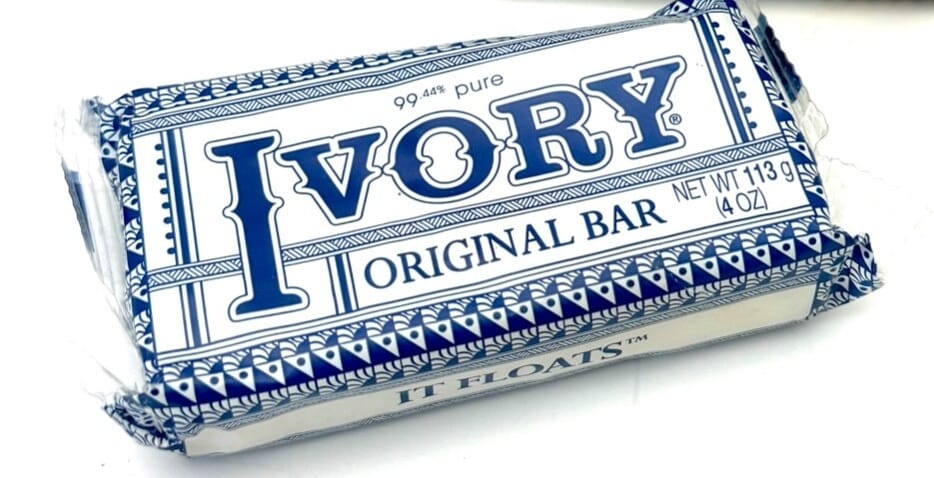
I learned to wash my hands with a bar of soap, so I'm... old. Bars of soap were the norm, even flanking the kitchen sink. It was a common fixture. People were generally ok with their hand soap in bar form.
I didn't say people loved their soap bar. Upon opening it, a bar of soap looks lovely and inviting, perched in a clean soap dish next to the sink. The first few users see this pristine, nicely shaped tool for cleaning hands. This didn't last long.
Bar soap is like any other multi-use, communal item in that later users don't get the initial experience. Instead, they use something that others have used. The bar's crisp corners give way to an ovaloid shape. The bar dries overnight, where cracks form as veins to hold the dark grime of previous users. Sudsy residue dries down to a paste that lines the soap dish and glues the soap firmly in place.
The Hamster Bottle Dispenser
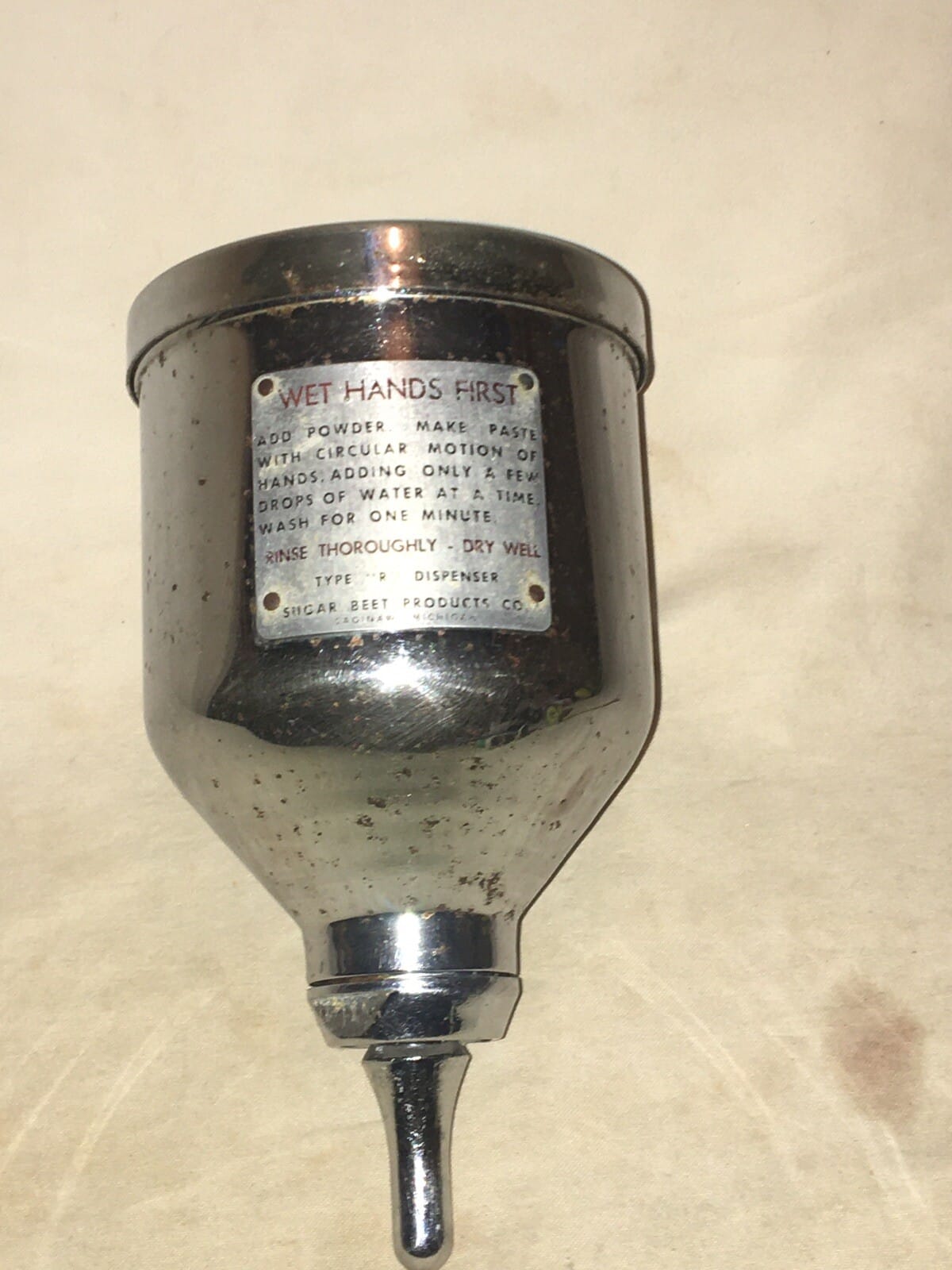
Some might remember the brief, gritty reign of powdered soap. These dispensers were fixed to the wall, looking like a hamster’s water bottle.
To get clean, you engaged with a dangling metal plunger—a "thingy" you’d wiggle around. First, you wetted your hands. A small shower of powdered soap was supposed to sprinkle into your palm. In practice, that only worked for the lucky few bathroom patrons. The damp environment would make the powder clump around the outlet. The next guests had to waggle the thingy, tap the sides, and start poking around to loosen soap clogging the dispenser. It's no surprise that powdered hand soap lost.
These early failures paved the way for the liquid soap revolution. Through the 1970s and beyond, plastic goods became incredibly cheap. Manufacturers quickly realized that single use goods were much more profitable, and the story of convenience resonated with the public. People rushed to buy liquid soap dispensers. Big Soap designed attractive disposable dispensers that looked far prettier sink side than the bar or dish ever did. When the soap ran out, just 'toss it away.' They certainly didn't tell you to "send it to a landfill where it will remain intact for centuries, choke sea turtles, and create a microplastics problem for centuries.") Simply start fresh with a new dispenser. What could be simpler?
Trade off points
- Increase in product used (~2.3g vs 0.35 g/wash): Why so much more? A dollop of liquid soap is so satisfying.
Decrease in product density: Liquid soap is 90% water, and shipping water is silly. - Energy: plastic packaging uses 5x energy for raw materials and 20x energy than packaging in a paper wrap or paperboard box.
- The 7x Multiplier: Lquid soap forces consumers to use nearly seven times more product per wash than a bar.
- Frequent refills and plastic dispensers keep the "subscription" to the brand alive, whereas a bar of soap is a one-time, long-lasting purchase.
- Liquid soap is a continuous branding opportunity. The branding stays visible from purchase to replacement time. Bar soap branding fades even if it is molded in.
One man's experience
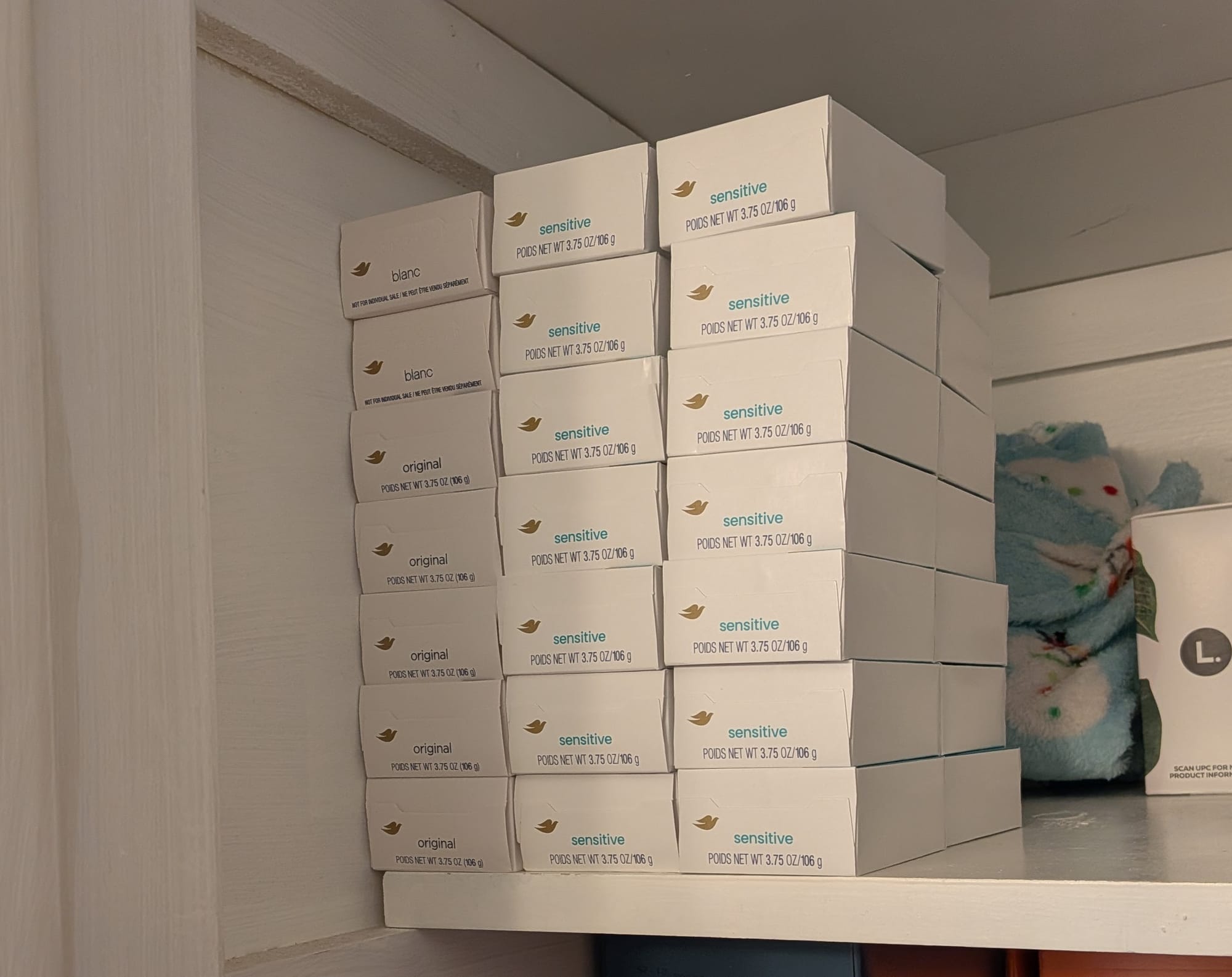
For this author, the bar wins in the shower, and on the vanity sink. It's easy, reliable, more economical, and ecological. Bar soap is compact and easy to keep stocked. Buying in bulk on 2-for-1 sales saves half the cost and minimizes stock-out emergencies.
It does have the drawback of being unsightly if it gets dirty or stays wet.
In the shower, body wash is the author's least favorite. Much of the product goes down the drain before it has any chance of cleaning. The amount remaining can't be observed at a glance before starting the shower. Body wash doesn't store neatly in an inert stack the way bar soap does.
Liquid soap will undoubtedly persist in many homes. Hopefully after reading this article, you will consider which soap you prefer.